


7 min read • By Dr. Kevin Baharvand, DMD, MS • Updated August 2026
The short answer
For an upper tooth, usually one to three hours. For a lower back tooth, where the injection blocks the whole nerve rather than just the area around the tooth, three to five hours is normal and it can run longer. Your lip and tongue stay numb well after the tooth itself has woken up. Call the office if you are still fully numb the next morning, and do not chew anything until you can feel your lip.
Nobody warns you that the numbness is the part you will remember. The filling took twenty minutes and was uneventful. Then you spend the afternoon talking strangely and drinking coffee down your chin.
How long it lasts is not random. It depends mostly on which injection you got, which depends on which tooth was worked on.
On this page
Why a lower tooth takes so much longer
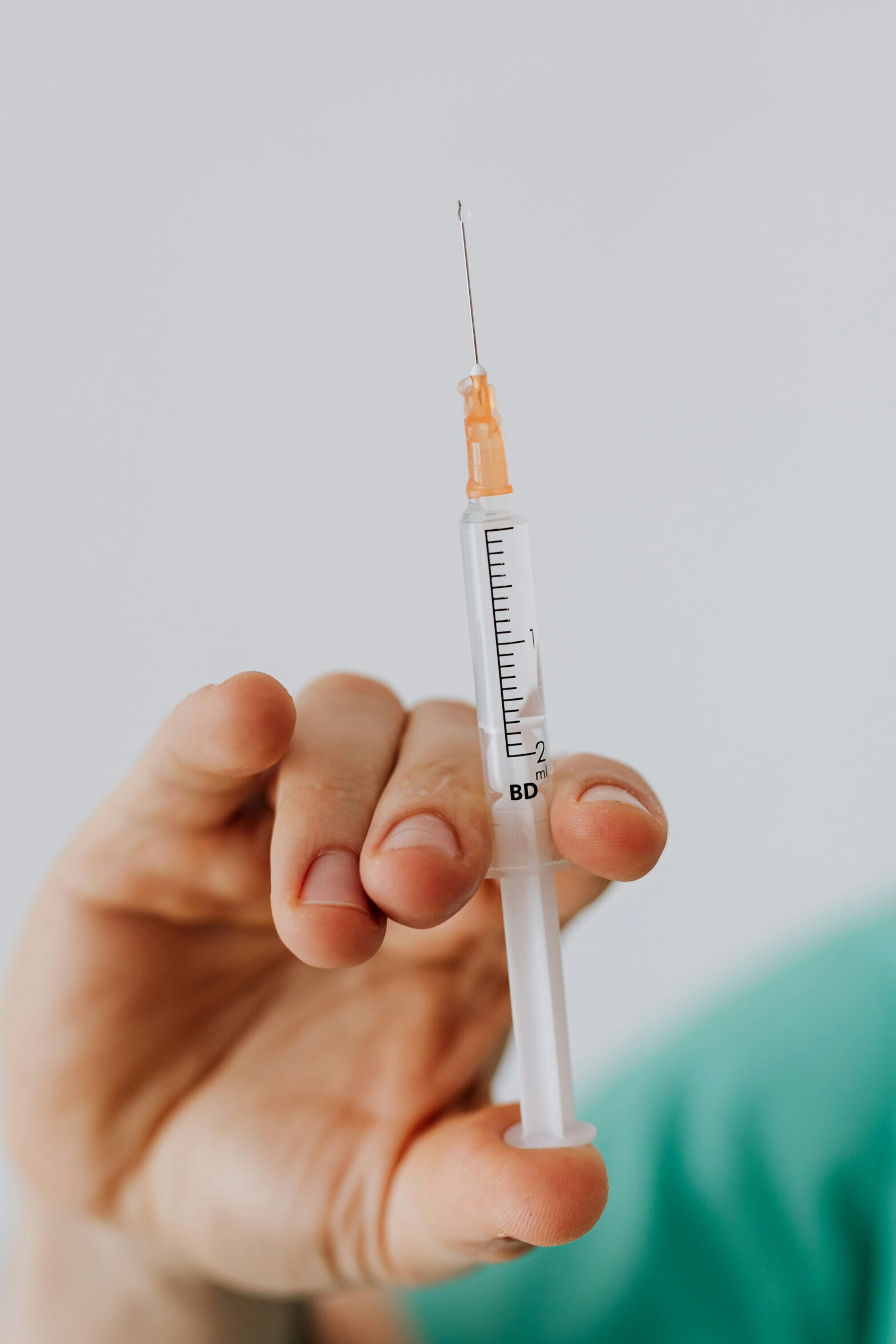
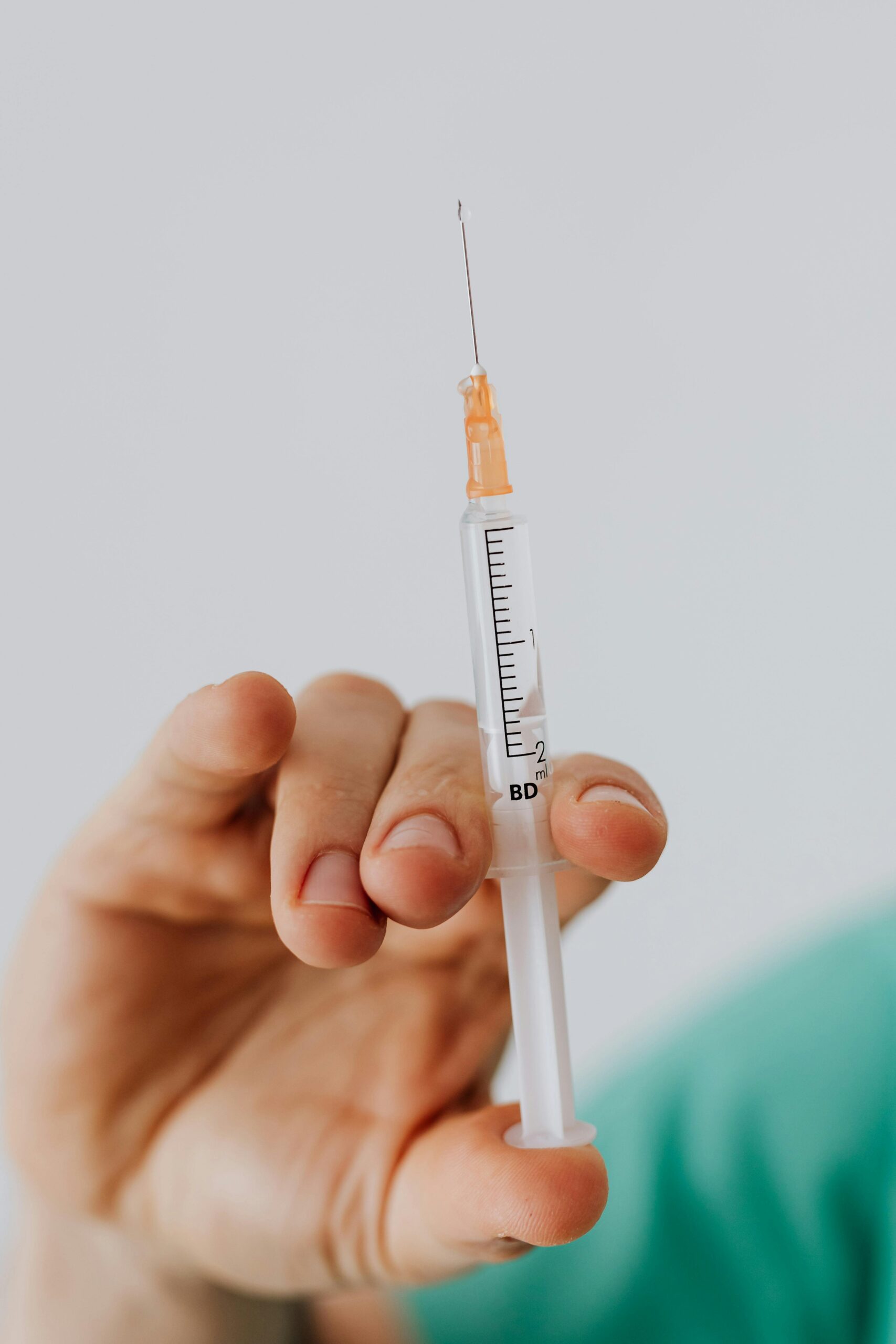
Upper teeth get an infiltration. The anesthetic is placed near the tooth and soaks through the bone, which is relatively porous up there. It affects a small area and it wears off comparatively quickly.
Lower back teeth get a block. The bone in the lower jaw is dense enough that soaking through it does not work reliably, so the anesthetic goes near the nerve trunk before it enters the jaw. That single injection numbs the whole side: the teeth, half your tongue, and your lower lip.
That is why a lower filling leaves you numb for the afternoon and an upper filling often does not. It is not a bigger dose or a harder procedure. It is a different target.
| What you had | Typical numbness | Notes |
|---|---|---|
| Upper tooth, infiltration | 1 to 3 hours | Lip and cheek on that side, often shorter |
| Lower back tooth, nerve block | 3 to 5 hours, sometimes longer | Lip and tongue are the last to return |
| Anesthetic without epinephrine | 1 to 2 hours | Sometimes chosen for short procedures or specific medical histories |
| Long acting anesthetic | 4 to 9 hours | Usually reserved for surgery, where lasting comfort is the point |
| Any of the above, with a reversal agent | Roughly half the soft tissue time | Available at many offices. Ask if it matters for your afternoon |
How to make it wear off sooner
Not much works, and most of what circulates online does nothing.
What genuinely helps: gentle movement and warmth. Light massage of the area and a warm compress increase local blood flow, which carries the anesthetic away faster. Walking around does more than sitting still.
What actually cuts the time meaningfully is a reversal agent, an injection given at the end of the appointment that opens up the local blood vessels and clears the anesthetic faster. It can roughly halve soft tissue numbness. Not every office stocks it and it is usually an added fee, but if you have a presentation at 2pm it is worth asking about before you start.
What does not work: coffee, sugar, tapping your lip, or any of the rest of it.
The part that actually causes injuries
You cannot feel your lip, your cheek, or your tongue. That combination sends people home and straight into lunch.
Chewing on numb tissue is how people end up with a badly bitten lip or a chunk taken out of the inside of the cheek, and they usually do not notice until sensation returns. It is not dangerous, but it turns a routine filling into a week of a sore mouth.
This matters most with kids. A numb lip is a fascinating novelty to a seven year old, and biting and chewing at it is common enough that it is worth watching them for a couple of hours. It is the single most avoidable complication after a childhood filling.
Wait until you can feel your lip normally before eating. If you must eat, stick to something soft and chew on the other side, and skip anything hot, because you will not feel a burn either.
Do not eat until you can feel your lip. Almost every problem after a filling is a bite injury, not a dental one.
When lingering numbness is worth a call
Beyond the usual window, the question is not how long, it is whether it is improving.
If you are fully numb the next morning, call the office. That is beyond what a routine filling should produce and they will want to know.
Rarely, an injection irritates the nerve and leaves lingering altered sensation, meaning tingling, partial numbness, or a pins and needles feeling. This is called paresthesia. The overwhelming majority resolve on their own, most within days to weeks, and it is more common with lower blocks because of where that nerve sits.
What to do is straightforward: report it, get it documented, and let the office track it. There is usually nothing to fix, but a dentist who knows about it can follow it and refer if it is not improving on the expected timeline.
Also call if numbness disappears and then comes back, or if it comes with swelling. That is a different problem and points toward infection rather than anesthetic.
Numb is different from sensitive
Once feeling returns, some tenderness on that tooth for a few days is normal, particularly if the filling was deep. Cold sensitivity, a twinge when biting, a general awareness that something happened there.
What should be improving is the pattern. Sensitivity that is fading over a week or two is a tooth settling down. Sensitivity that is getting worse, or pain that lingers after cold rather than disappearing in a second or two, is worth reporting, because it can mean the nerve is inflamed beyond recovering on its own.
A bite that feels high is also worth a call, and it is a two minute fix. A filling left slightly proud puts all the force on that one tooth, and it will ache indefinitely until it is adjusted. People put up with this for months, which is unnecessary.
Common questions
How long does numbness last after a filling?
Roughly one to three hours for an upper tooth and three to five hours for a lower back tooth, because lower teeth require a nerve block that numbs the whole side.
Why is my tongue and lip still numb but my tooth is not?
Soft tissue holds the anesthetic longer than the tooth does. Lip and tongue sensation is normally the last to return, often by an hour or two.
How can I get the numbness to wear off faster?
Gentle massage, a warm compress, and moving around help a little. A reversal agent given at the end of the appointment can roughly halve soft tissue numbness, so ask about it beforehand if timing matters.
Is it dangerous to eat while numb?
Not dangerous, but it is how people bite their lip, cheek, or tongue without feeling it, and how they burn themselves on hot food. Wait until sensation returns.
I am still numb the next day. Should I worry?
Call the office. Prolonged numbness usually reflects temporary nerve irritation from the injection and nearly always resolves on its own, but it should be reported and tracked.
My tooth is sensitive after the filling. Is that normal?
Some tenderness for a few days is normal, especially with a deep filling. It should be improving. Worsening pain, or pain that lingers after cold, is worth reporting, as is a bite that feels high.
Something not settling down after a filling?
A high bite takes two minutes to adjust and people put up with it for months. If a tooth is aching more than it did a week ago, call us rather than waiting it out.
You may also be interested in these
- Should a dentist pay for a failed root canal?
- What is a dental crown?
- Does laughing gas knock you out?
About Tribute Family Dentistry
200+ five-star Google reviews • Family owned and independent • D Magazine Best Dentist 2026 • Living Magazine Readers' Choice 2026 • Se habla espanol
Tribute is a family owned, independent family dentist in Frisco, on FM 423. I own it with my wife, Dr. Julia Kang, DMD. We both trained at Boston University and we are both members of the Omicron Kappa Upsilon national honor society. I am a Diplomate of the American Board of Orthodontics. Day to day, most patients and their kids see Dr. Christina Pham, DMD, our general and family dentist, and wisdom teeth removal is handled by Dr. David Roberts, DDS. D Magazine named me a Best Dentist for 2026, and Living Magazine readers voted us Best Family Dentist in Frisco and Plano the same year.
We handle the whole family in one place: cleanings and preventive care, fillings, crowns, bridges, implants, root canals, extractions and wisdom teeth, whitening, night guards, and emergency visits. We are open Monday through Friday, 8:00 AM to 5:00 PM, we speak Spanish, we work with most major insurance plans, and we run an in house savings plan for families without dental benefits.
If you need braces or clear aligners, that is the other side of what we do. Elate Orthodontics, our sister practice, treats kids, teens, and adults out of three offices in Frisco and The Colony.
Tribute Family Dentistry
5605 FM 423, Suite 600-B, Frisco, TX 75036
Book an appointment: (469) 598-1021
About the author: Dr. Kevin Baharvand, DMD, MS is a Diplomate of the American Board of Orthodontics and a national speaker on clear aligner treatment. His clinical work was selected for the cover of the American Journal of Orthodontics and Dentofacial Orthopedics. He and his wife, Dr. Julia Kang, own Tribute Family Dentistry and Elate Orthodontics in Frisco, Texas.
